
New buildings
New construction offers a powerful opportunity for local governments in BC to shape low-carbon, energy-efficient communities from the ground up. While the BC Building Code sets the baseline, many local governments are going further to align new development with their climate goals.
Across the province, communities are adopting tools like the Zero Carbon Step Code and higher steps of the BC Energy Step Code, requiring stronger performance in new buildings. Others are integrating energy labelling and benchmarking into permitting processes, or offering incentives—such as density bonuses and increased floor space ratio (FSR)—to encourage low-carbon designs.
Development Permit Areas (DPAs) are also being used to secure enhanced energy and emissions standards in specific neighbourhoods or project types. As climate policies evolve, local governments are increasingly blending regulatory powers with incentive-based strategies to drive high-performance, climate-aligned construction.
Objectives for advancing climate action in new buildings

Post-occupancy energy reporting and disclosure
Benchmarking is the process of measuring a building’s energy use over time and comparing its performance to similar buildings. For new construction, it offers a way to assess whether a building performs as intended once it’s occupied—bridging the gap between design-stage energy modelling and real-world outcomes.

Commissioning of new buildings
As new buildings become more complex—with integrated systems for heating, cooling, ventilation, lighting, and water—commissioning has become a critical step to ensure these systems work together efficiently. Commissioning is a quality assurance process that begins during design and continues through construction and early occupancy. It verifies that systems perform as intended and helps building operators maintain long-term energy efficiency and occupant comfort.
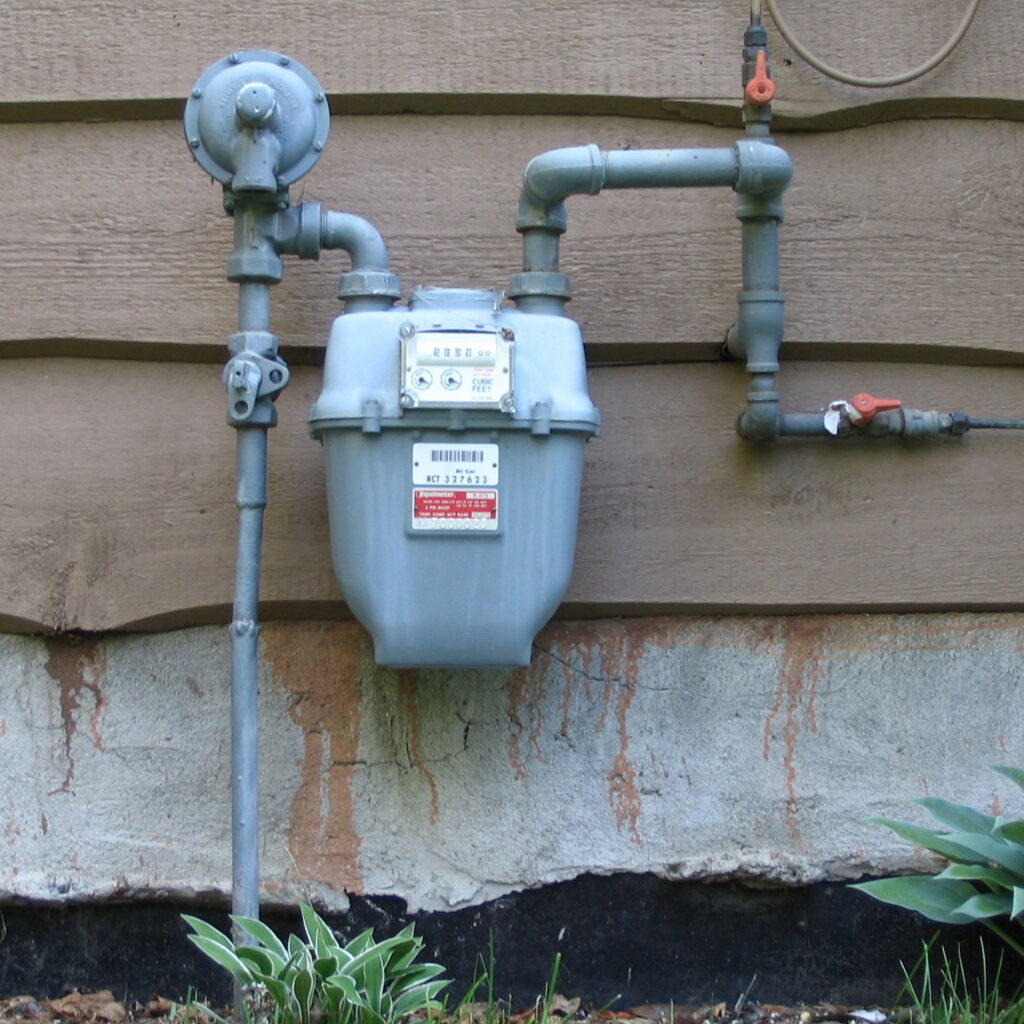
Limits on new natural gas servicing and connections
To meet climate targets and reduce long-term reliance on fossil fuels, many BC municipalities are exploring strategies to limit or phase out new natural gas servicing in buildings. These approaches favour all-electric designs or on-site renewable energy systems, driven by concerns over future stranded gas assets, shifting regulatory landscapes, and the need for resilient infrastructure.

Limits on land use for fossil fuels
Municipalities in BC have zoning powers that can be used to limit or prohibit land uses related to fossil fuel production, processing, and retailing. These powers allow local governments to shape how land is used in ways that align with climate objectives, particularly by discouraging or preventing new fossil fuel infrastructure in their communities.
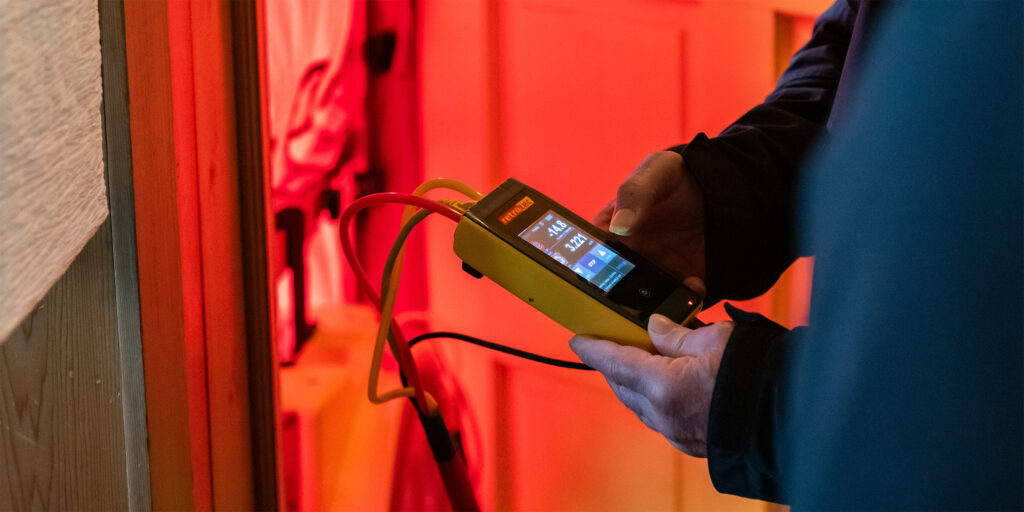
Blower door testing for new buildings
Blower door testing is used to measure how airtight a building is, which helps verify energy performance and identify air leakage before construction is completed.
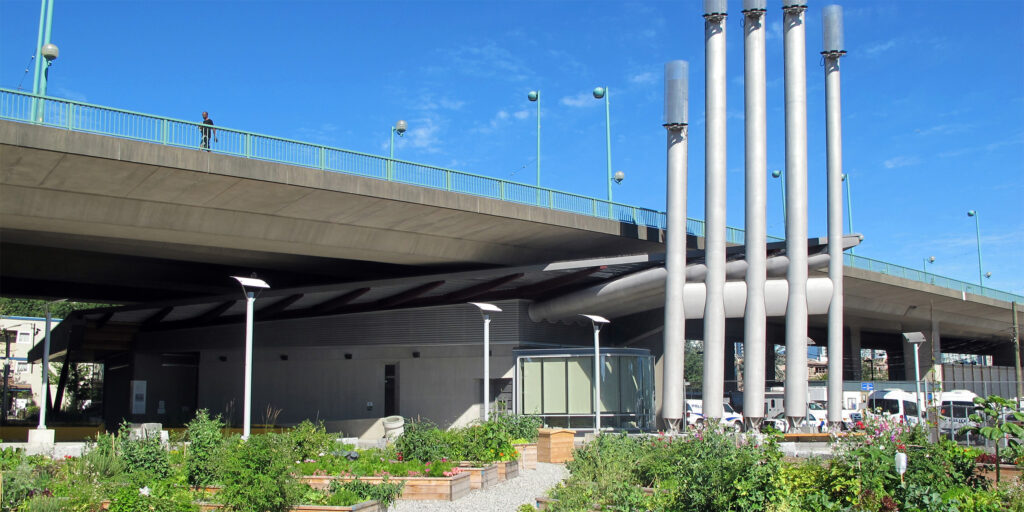
Connection to district energy system or microgrid
Local governments may require new developments join these energy networks for improved resilience, to better manage demand, and to promote renewable energy generation.
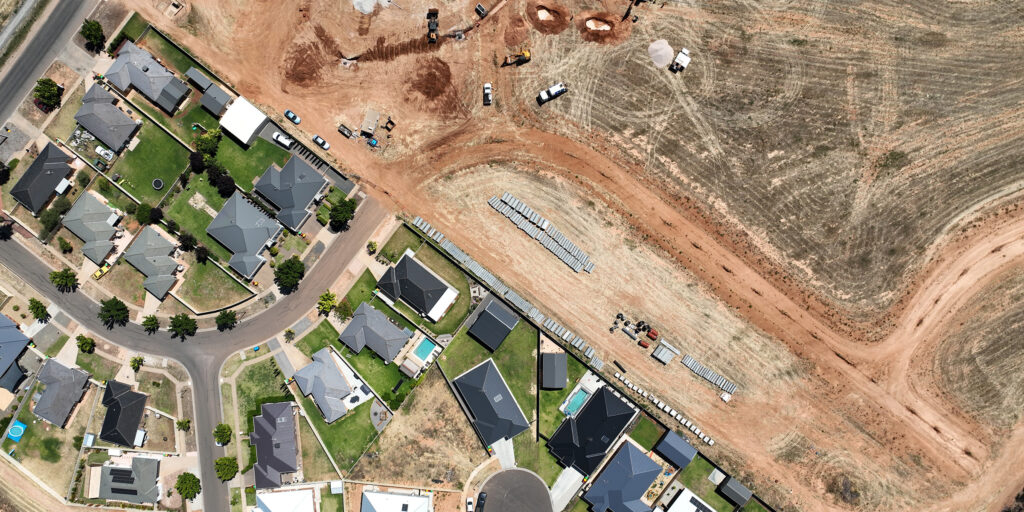
Renewable energy-related infrastructure in new subdivisions
Local governments can require infrastructure that supports energy conservation, reduction of greenhouse gas emissions, and future low‑carbon systems as part of new land development.

Solar panels and battery storage
Local governments can likely require solar panels and battery storage systems, depending on the context, through development permits, land ownership, or voluntary legal agreements.
Infeasible pathways

The roads not taken
To help local governments navigate uncertainty around authority and application of regulatory powers, it is also worth noting the several pathways investigated that, in the legal analysis, do not seem feasible options to pursue.