
Existing buildings
Unlike new construction, existing buildings present a greater challenge for regulation. While BC Building Code is meant to apply to major renovations for existing buildings, the practical application is less clear. A national Alterations to Existing Buildings (AEB) Code is in development, and BC has signalled its intent to adopt it, but the timeline and application remain uncertain. In the absence of a standardized framework, local governments have taken the lead by implementing programs to support building retrofits. However, to accelerate decarbonization, stronger policies and regulations are needed to provide clear guidance and market certainty for the industry. Moving forward, local governments are exploring ways to introduce retrofit requirements, energy performance standards, and disclosure policies to drive improvements in existing buildings and support the transition to a low-carbon future.
Objectives for advancing climate action in existing buildings
Benchmarking and energy audits
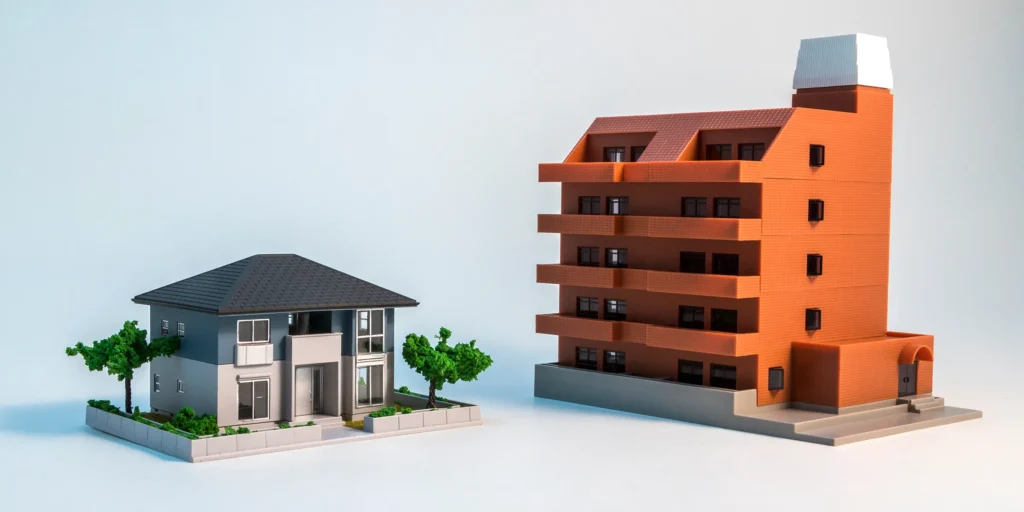
Benchmarking is the practice of measuring and tracking a building’s energy performance over time and comparing it to similar properties. Energy audits are commonly used to understand how a building uses energy and to identify opportunities to improve efficiency and reduce greenhouse gas emissions.
Oil tank removal
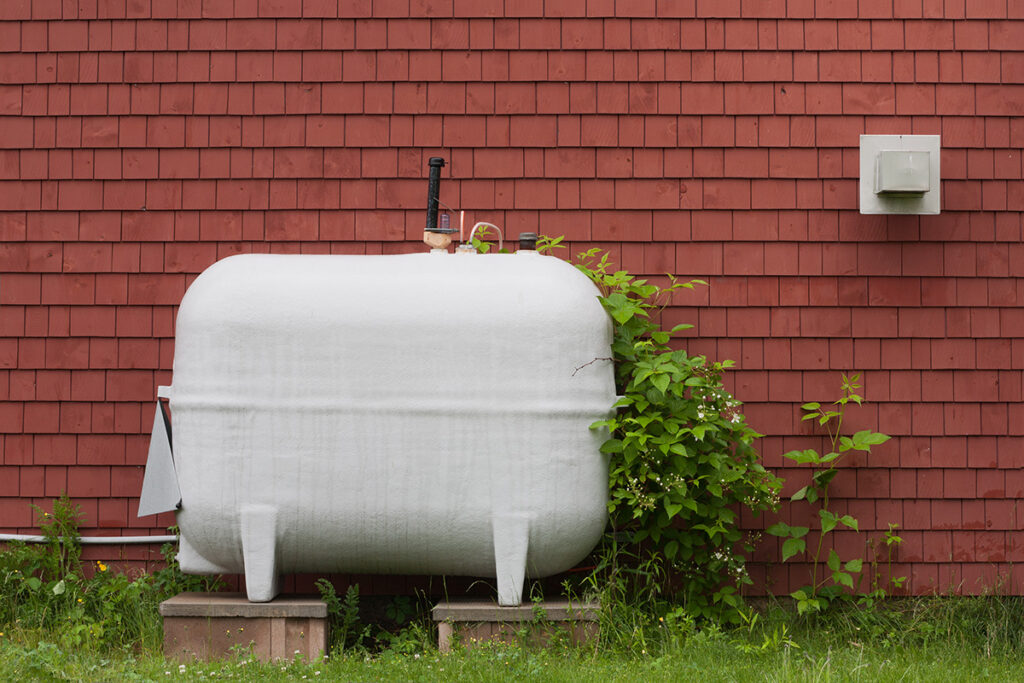
Home heating oil systems are among the most carbon-intensive residential heating options and pose environmental and safety risks due to potential soil and groundwater contamination from leaking tanks. To support climate action and environmental protection, local governments in British Columbia are exploring pathways to require the removal of home oil tanks and promote low-emission alternatives such as electric heat pumps.

Incentives for building retrofits
Municipalities can support energy efficiency and emissions reductions in existing buildings by facilitating retrofit financing through a Local Service Area. With homeowner approval, this mechanism allows the municipality to fund upgrades, such as heat pumps, insulation, or solar panels, using external grants or loans, and recover costs over time via parcel taxes on participating properties. This approach helps reduce upfront costs for homeowners and enables a structured, community-scale retrofit program aligned with climate goals.

Cooling requirements
Extreme heat events have highlighted the need for cooling in residential buildings, especially for vulnerable populations. Local governments in British Columbia have two primary tools to require or enable cooling in existing buildings, one for rental properties and one for buildings applying for building permits to undertake a major retrofit.

Incentives for energy efficiency for businesses
Local governments can use a range of incentives to improve the energy efficiency of equipment used by businesses, such as heating and lighting systems, to reduce energy use and manage electricity demand.

Solar panels and battery storage
Local governments can likely require solar panels and battery storage systems, depending on the context, through development permits, land ownership, or voluntary legal agreements.
Infeasible pathways

The roads not taken
To help local governments navigate uncertainty around authority and application of regulatory powers, it is also worth noting the several pathways investigated that, in the legal analysis, do not seem feasible options to pursue.